About Mind Balance counseling
Welcome to Mind Balance Counseling, where we are dedicated to providing expert mental health support in a compassionate and safe environment. Led by Our Providers, licensed professional counselors in Florida, Michigan, and Washington State, our practice is committed to helping individuals, couples, and families navigate life’s challenges with effective, evidence-based therapeutic approaches.
We specialize in individual counseling, couples therapy, family therapy, EMDR (Eye Movement Desensitization and Reprocessing), and mindfulness therapy. Our goal is to create a space where you feel heard, understood, and empowered to make positive changes in your life.
At Mind Balance Counseling, we believe in the power of therapy to transform lives. Whether you are facing anxiety, depression, trauma, or relationship difficulties, we are here to support you on your journey toward healing and personal growth.
Your mental health matters, and we are honored to be a part of your path to well-being. Let’s work together to restore balance and clarity to your life.
Meet Your Partner In Personal Growth

Rana Abbas, M.A, LMHC, LPC, NCC
Hi, I am Rana Abbas, a licensed professional counselor in the states of Florida, Michigan, Virginia, Arizona, and Washington State. I am passionate about supporting individuals, couples, and families on their journey toward mental and emotional well-being and healthy relationships.
As a mental health counselor, my mission is to create a safe and empathetic space where you can explore your thoughts, feelings, and experiences without judgment. I firmly believe in the strength of collaboration, viewing the therapeutic relationship as a partnership.
Together, we can work towards understanding your challenges, identifying strengths, building strong communication skills, setting boundaries, and developing effective strategies to navigate life’s complexities. Whether you’re facing specific issues, seeking personal growth, building healthy relationships, managing anxiety, depression, anger, or coping with the impact of trauma, I am here to provide support, guidance, and encouragement.
My approach is rooted in evidence-based practices, and I draw from various therapeutic modalities to tailor our sessions to your unique needs. I value the uniqueness of each individual and recognize the importance of cultural sensitivity in our work together.
Embarking on the path to mental health is a courageous and empowering step. I am committed to helping you build resilience, enhance self-awareness, and cultivate the skills needed to lead a more fulfilling and meaningful life. I look forward to the opportunity to collaborate with you on your journey to well-being.

Peter Copan, M.A, RMHCI
Hi, I’m Peter Copan. Before stepping into the mental health field, I worked in tech as a writer and project manager, and before that, I was a field researcher working in South Asia. My work has taken me to Latin America, Asia, and many places in between, but looking back, I realize that discovering and understanding people and relationships has always been at the heart of what I love doing. I’m endlessly fascinated and moved by stories, the ways we tell our own stories, and the ways our stories impact the people we are.
Over time, I’ve become convinced that each person is inherently amazing, and that our ability to embrace the beauty of who we are can get blocked by the pain we carry—sometimes without even knowing it. Uncovering and recovering that amazingness that’s always been there has become a passion and a joy of mine.
For me, walking alongside clients in a caring and curious way is at the heart of the therapy process. I’m here to support, not just as a mental health professional, but as a fellow traveler and fellow human. I’m here to get curious with you about your life and story and work together to discover what you need to thrive in your life.
I use a variety of modalities depending on the need of the client, but my main approach blends attachment-based therapy, trauma-informed therapy, family systems, Internal Family Systems / parts work, and narrative therapy.
I do my best to be a kind, authentic, hospitable presence with every client, and seek to create an atmosphere where people can be themselves and to be brave.
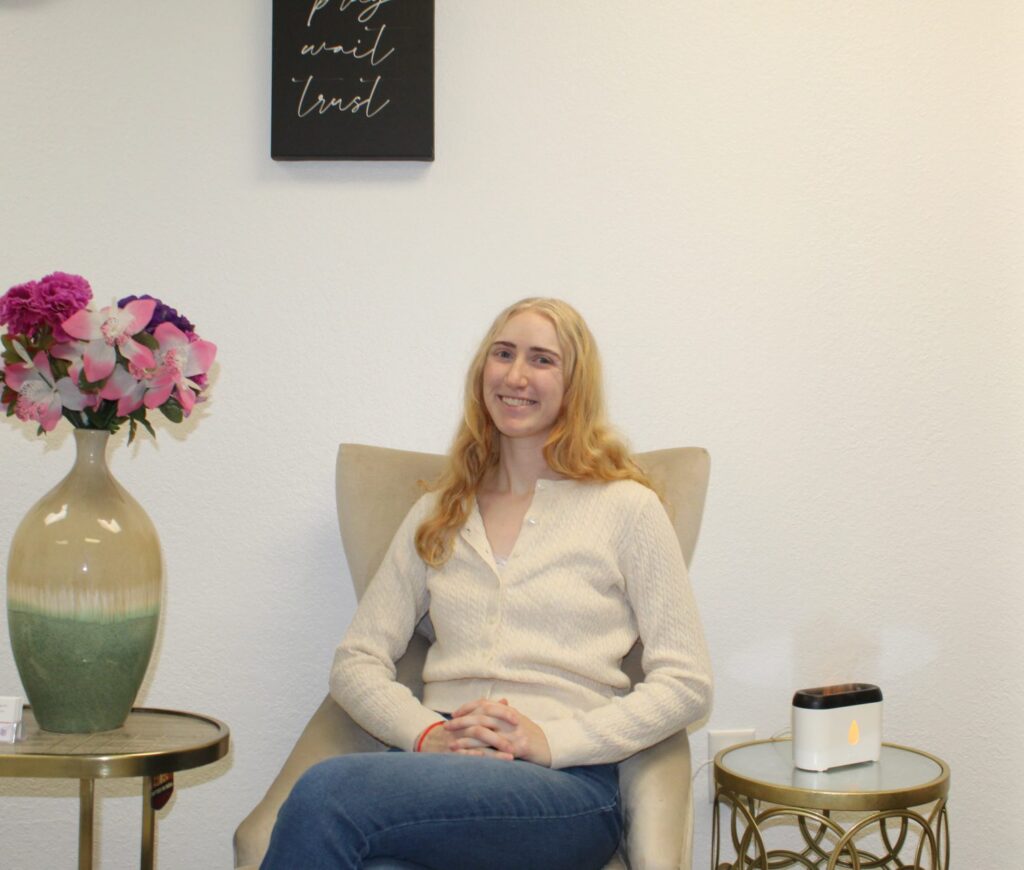
Jillian Jaiman, M.A, MSWI
Hi, I’m Jillian Jaiman. I earned my Bachelor’s degree in Social Work from the University of Central Florida and my Master’s degree in Social Work from Columbia University. Growing up in Central Florida deeply shaped who I am, and the Sunshine State continues to feel like home to me. I value warmth, openness, and authenticity—qualities that guide both my personal life and my work as a therapist.
My therapeutic approach is grounded in somatic and narrative techniques, with a strong emphasis on helping clients reconnect with their bodies, emotions, and personal stories. I believe healing happens when we feel safe enough to explore not just what we think, but what we feel and experience in our bodies. I also draw from evidence-based modalities such as Dialectical Behavior Therapy (DBT), Cognitive Behavioral Therapy (CBT), and other interpersonal approaches, allowing me to tailor therapy to each client’s unique needs, goals, and stage of life. Rather than taking a one-size-fits-all approach, I collaborate closely with clients to find what feels most supportive and effective for them.
I have experience working with clients across the lifespan and supporting individuals navigating depression, anxiety, emotional regulation, trauma, life transitions, and moments of acute stress or crisis. My work is trauma-informed and rooted in compassion, curiosity, and respect. I strive to create a therapeutic space that feels nonjudgmental, collaborative, and empowering—one where clients can show up exactly as they are and move at a pace that feels right for them.
Outside of the therapy room, I find grounding and balance through yoga, which has deepened my appreciation for the mind–body connection and strongly influences my somatic work. Yoga has taught me the value of presence, breath, and gentle awareness—tools I often integrate into sessions when appropriate. I also love spending time with my cats, who constantly remind me of the importance of rest, play, and attunement. These small, everyday joys help keep me centered and connected, both personally and professionally.
At the heart of my work is a belief in each person’s capacity for growth, resilience, and meaningful change. Therapy is not about fixing what is “wrong,” but about understanding your story, building insight, and developing skills that support a more fulfilling and connected life. I consider it a privilege to walk alongside clients as they navigate challenges, deepen self-understanding, and move toward the life they want to create.

Marilyn Lopez, M.A., RMHCI
Hi, I’m Marilyn Lopez, I am a Registered Mental Health Counselor Intern who provides compassionate, client-centered care in a safe, supportive, and nonjudgmental environment. I value each client’s unique experiences and work collaboratively to help them navigate emotional challenges, strengthen relationships, and move toward meaningful personal growth.
I integrate evidence-based counseling practices with a holistic perspective, recognizing the connection between emotional well-being, relationships, personal values, and life experiences. My approach supports clients in building self-awareness, developing practical coping skills, and navigating life transitions with greater confidence.
Grounded in my Christian faith, I offer faith-integrated counseling for clients who wish to include spirituality in their therapeutic journey. I welcome clients of all backgrounds and beliefs, incorporating faith-based principles only when aligned with their preferences and counseling goals.

Alejandra Silva, M.A, RMHCI
Hello, I am Alejandra Silva. I am a Registered Mental Health Counselor Intern in the state of Florida. I believe that meaningful counseling begins with empathy, compassion, and truly being present with the person in front of us. With more than 10 years of experience working in social work with individuals and families from diverse multicultural backgrounds, I have learned that every person’s story is unique and deserves to be heard without judgment. I enjoy supporting individuals through anxiety, depression, life transitions, motherhood, relationship challenges, and other changes that can sometimes leave us feeling overwhelmed or uncertain.
My approach incorporates evidence-based modalities such as Cognitive Behavioral Therapy (CBT) and Dialectical Behavior Therapy (DBT), along with mindfulness and practical coping strategies tailored to each client’s individual needs. I believe counseling is not about simply telling someone what to do, but about walking alongside them as they discover their own strengths, develop healthier ways of coping, and move toward the life they want to build. I value that connection and consider it a privilege to walk with my clients through their journey, offering empathy, encouragement, and support along the way.
Exploring Counseling Topics at Mind Balance
Depression is a complex mental health condition with various potential causes and different types. It’s important to note that individuals may experience depression differently, and a combination of factors often contributes to its development.
For this It’s crucial to seek professional help if you or someone you know is experiencing symptoms of depression. A mental health professional can provide a thorough assessment and develop a treatment plan tailored to individual needs. Treatment may include therapy, medication, lifestyle changes, or a combination of these approaches.
Anxiety is a natural response to stress or a perceived threat. It is a complex emotion characterized by feelings of apprehension, worry, fear, or uneasiness. While it’s normal to experience anxiety in certain situations, such as before a big presentation or during a challenging life event, it becomes a concern when it is excessive, persistent, and interferes with daily life. There are various types of anxiety disorders, including generalized anxiety disorder (GAD), social anxiety disorder, panic disorder, and specific phobias. Treatment for anxiety may involve psychotherapy (counseling), medication, lifestyle changes, and coping strategies. Cognitive-behavioral therapy (CBT) is a commonly used therapeutic approach for managing anxiety, helping individuals identify and change negative thought patterns and behaviors. Medications such as selective serotonin repute inhibitors (SSRIs) or benzodiazepines may also be prescribed in certain cases.
Personality disorders are a class of mental health conditions characterized by enduring patterns of behavior, cognition, and inner experience that deviate markedly from the expectations of the individual’s culture. These patterns often lead to distress or impairment in social, occupational, or other important areas of functioning. There are several types of personality disorders like Paranoid personality disorder, antisocial personality disorder borderline personality disorder, narcissistic personality disorder, schizoid personality disorder, avoidant personality disorder, dependent personality disorder and obsessive-compulsive personality disorder. Treatment for personality disorders often involves a combination of psychotherapy, medications, and support. It’s important to note that individuals with personality disorders may not always seek treatment willingly, as they may not recognize the impact of their behavior on themselves or others
Bipolar disorder, formerly known as manic depression, is a mental health condition characterized by extreme mood swings or episodes of mania and depression. People with bipolar disorder experience periods of intense emotional highs (mania or hypomania) and lows (depression). These mood episodes can last for days, weeks, or even months.
There are three main types of bipolar disorder.
Bipolar I disorder: Individuals with Bipolar I experience manic episodes that last for at least seven days or are severe enough to require hospitalization. Depressive episodes may also occur, typically lasting for at least two weeks.
Bipolar II disorder: This type involves a pattern of depressive episodes and hypomanic episodes, which are less severe than full-blown manic episodes. Individuals with Bipolar II never experience full mania.
Cyclothymic Disorder (Cyclothymia): Cyclothymia is a milder form of bipolar disorder characterized by numerous periods of hypomanic symptoms and depressive symptoms that do not meet the criteria for a major depressive episode. The symptoms persist for at least two years in adults and one year in children and adolescents.
Treatment for bipolar disorder typically involves a combination of medication, psychotherapy, such as cognitive-behavioral therapy (CBT) or interpersonal therapy can help individuals cope with the challenges of the disorder and improve their overall well-being. It’s important for individuals with bipolar disorder to work closely with mental health professionals to develop a comprehensive treatment plan and receive ongoing support. With proper treatment and management, many people with bipolar disorder can lead fulfilling and productive lives.
Trauma refers to a deeply distressing or disturbing experience that can have lasting psychological and emotional effects on an individual. It often overwhelms a person’s ability to cope and may leave a lasting imprint on their mental and emotional well-being. Trauma can result from a single event or a series of events, and it can manifest in various forms like physical, sexual, emotional, childhood or complex trauma.
It’s important to recognize that trauma recovery often requires professional support. EMDR has been proven the best approach to deal with trauma and help individual to recover.
Post-Traumatic Stress Disorder (PTSD) is a mental health condition that can develop in individuals who have experienced or witnessed a traumatic event. PTSD can occur after exposure to a range of traumatic events such as military combat, natural disasters, serious accidents, physical or sexual assault, and other life-threatening events. Seeking professional help is crucial for individuals with PTSD. Effective treatment can significantly reduce symptoms and improve overall quality of life. If you or someone you know is experiencing symptoms of PTSD, it’s important to reach out to us.
Anger management refers to a set of techniques and strategies will be provided by the therapist to help individuals control and express their anger in a healthy and constructive way. Anger is a natural and normal emotion, but when it is not managed effectively, it can lead to problems in various aspects of life, including relationships, work, and overall well-being.
ADHD stands for Attention-Deficit/Hyperactivity Disorder. It is a neurodevelopmental disorder that commonly begins in childhood but can persist into adolescence and adulthood. ADHD is characterized by persistent patterns of inattention, hyperactivity, and impulsivity that can impact various aspects of an individual’s life, including academic performance, work, and relationships.
The core symptoms of ADHD are typically classified into two main categories:
1-Inattention:
- Difficulty sustaining attention in tasks or play activities.
- Easily distracted by unrelated stimuli.
- Forgetfulness in daily activities
- Difficulty organizing tasks.
2-Hyperactivity and impulsivity:
- Restlessness or fidgeting
- Excessive talking
- Difficulty waiting one’s turn.
- Impulsive decision-making.
Treatment of ADHD:
- Behavioral therapy
- Educational support
- Lifestyle and environmental manifestations.
- Parents and family support
- Medication.
Cultural adjustment refers to the process of adapting to a new cultural environment. When individuals move or travel to a different culture, they often experience a period of transition and adaptation as they learn to navigate the social norms, values, customs, and behaviors of the new culture. This process can be challenging, but therapy will help the individual to make this process smooth.
Relationship issues are common and can arise in various forms, whether in romantic partnerships, family relationships, friendships, or professional connections. Addressing relationship challenges requires effective communication, empathy, and sometimes, the assistance of a mental health professional. Here are some common relationship issues and suggestions on how to navigate them.
It’s important to note that addressing relationship issues often requires both parties to be willing to work on the problems collaboratively. If issues persist or become overwhelming, seeking the help of a couple’s therapist or a mental health professional can provide additional support and guidance. Couples therapy can offer a safe space to explore and address underlying issues and develop healthier patterns of communication and interaction.